
The Short Answer: New construction insulation keeps your home comfortable year-round by slowing heat loss in winter and heat gain in summer. The right insulation materials and proper installation can noticeably lower your energy bills starting from day one.
When you buy a new construction home, insulation is one of those behind-the-wall decisions you rarely see but feel every month on your utility bill. Builders today have more insulation options than ever, and understanding what goes into your walls, attic, and crawl space helps you make sense of what you’re actually getting. This guide covers the types of insulation used in new builds, where they’re installed, and why the details matter for your comfort and monthly costs.
Types of Insulation Used in New Construction
Not all insulation materials perform the same way. Builders choose from several insulation products depending on the area of the home, the climate zone, and local building codes. Most new construction homes use a combination of materials to hit their performance targets.
Fiberglass Batts
Fiberglass insulation is the most widely used type in residential new home construction. Fiberglass batts are pre-cut panels of woven glass fibers that fit between wall studs and attic floor joists. They’re cost-effective and straightforward to install, making them a go-to choice for exterior walls, interior walls, and attic spaces. Batt insulation comes in different thicknesses to meet R-value requirements, which measure how well a material resists heat flow.
Spray Foam Insulation
Spray foam is applied as a liquid that expands and hardens, filling gaps in wall cavities and around pipes or fixtures. There are two main varieties of foam insulation used in new construction:
- Open cell spray foam is softer and less dense. It works well in interior walls and areas where some moisture vapor movement is acceptable.
- Closed cell spray foam is denser and delivers a higher R-value per inch. Closed cell also functions as an air barrier and resists moisture, making it a strong choice for exterior walls, crawl spaces, and attic spaces.
Cellulose, Rigid Foam, and Mineral Wool
Cellulose insulation is made from recycled paper materials treated with fire retardant. It’s often blown into attic spaces or wall cavities in new builds. Rigid foam boards are installed on exterior walls or beneath roofing to add an additional layer of thermal resistance. Mineral wool, also called rock wool, resists both fire and moisture and is growing in popularity for new construction projects where performance and durability are priorities.
How Insulation Affects Energy Bills and Home Comfort
Proper insulation does two things well: it slows heat movement through your walls, and it reduces the workload on your heating and cooling system. In a new construction home with good insulation, you’ll typically see lower cooling costs in summer and reduced heating bills in winter.
R-Value and What It Means for Your Home
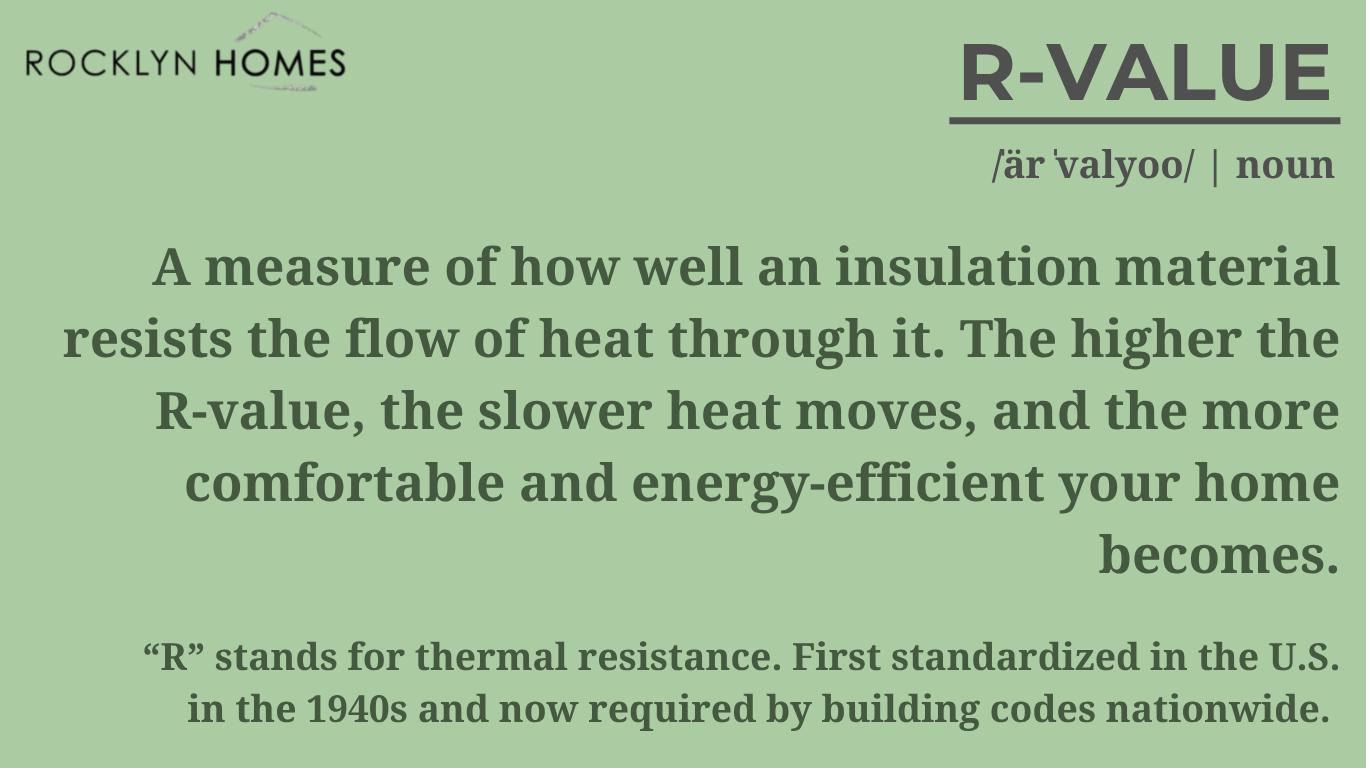
R-value measures thermal resistance. The higher the R-value, the better the material slows heat transfer. Different areas of a home require different R-values. Attic insulation generally needs a higher R-value than interior walls because the attic space loses the most heat in winter and absorbs the most in summer.
New homes built to current energy efficiency standards must meet minimum R-values defined by local building codes and energy codes, including the International Energy Conservation Code (IECC). Most builders reference these codes when selecting insulation products and determining installation depth and coverage.
Insulation and Your HVAC System
A home with proper insulation puts less strain on heating and cooling equipment. Your heat pump or air conditioner runs less often to maintain your preferred temperature. That adds up to real savings on monthly energy bills and reduces wear on your HVAC system over time. In an energy-efficient home, insulation and mechanical systems work together rather than competing against each other.
Pro Tip: When comparing new construction homes, ask each builder for the home’s projected HERS (Home Energy Rating System) score. A lower HERS score means better energy efficiency and lower utility costs.
Where Insulation Is Installed in a New Home
Every part of the building envelope matters. The building envelope includes all the surfaces separating the inside of your home from the outside: exterior walls, the attic floor or roof deck, and the crawl space or foundation. Proper coverage at each location is what makes a new build feel tight and comfortable year-round.
Exterior Walls and Wall Cavities
Exterior wall cavities, the spaces between studs in your outer walls, are typically filled with fiberglass batts or spray foam insulation. Some new construction homes also include a layer of rigid foam on the outside of the wall sheathing for added thermal performance. Interior walls may also receive insulation for sound control and to reduce temperature differences between rooms.
Attic Space and Attic Floor
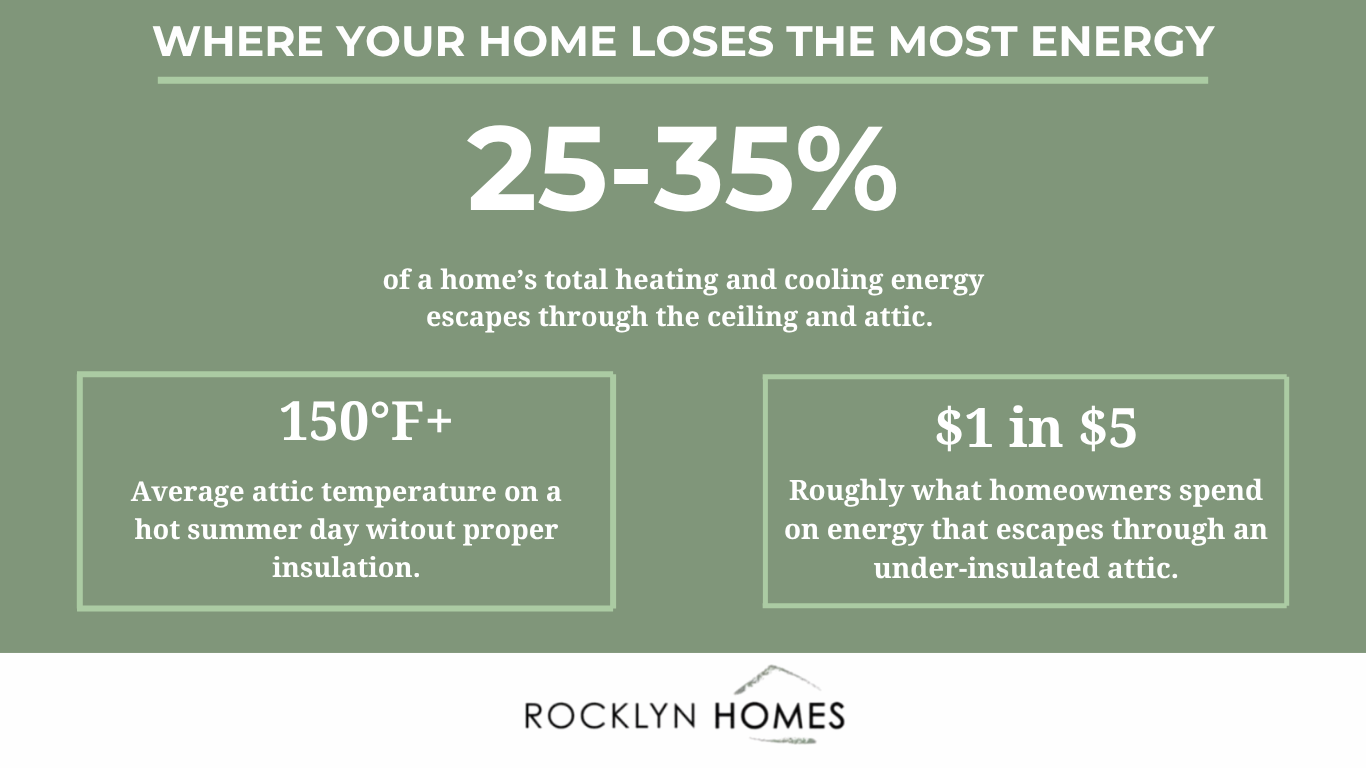
The attic is where homes lose the most energy. Attic insulation is installed either on the attic floor, between ceiling joists on the top level, or along the roof deck when the attic space is conditioned. Blown-in cellulose or fiberglass insulation is common for attic floors. Closed cell spray foam is applied along the roof deck when the attic space is used for mechanical systems or storage.
Crawl Spaces and Air Sealing
In homes with a crawl space, insulation is installed between the floor joists above the crawl space or along the crawl space walls. This prevents cold floors in winter and reduces moisture problems in the living areas above. Closed cell spray foam is a popular choice here because it resists moisture while providing solid thermal performance.
Air leaks are among the biggest energy problems in any home. Air sealing involves closing gaps around windows, doors, electrical outlets, plumbing penetrations, and the bath fan duct before and after insulation is installed. Spray foam works well for this because it expands to fill irregular gaps. A well-sealed air barrier prevents conditioned air from escaping and outside air from infiltrating, making the insulation far more effective overall.
Building Codes, Tax Credits, and Questions to Ask Your Builder
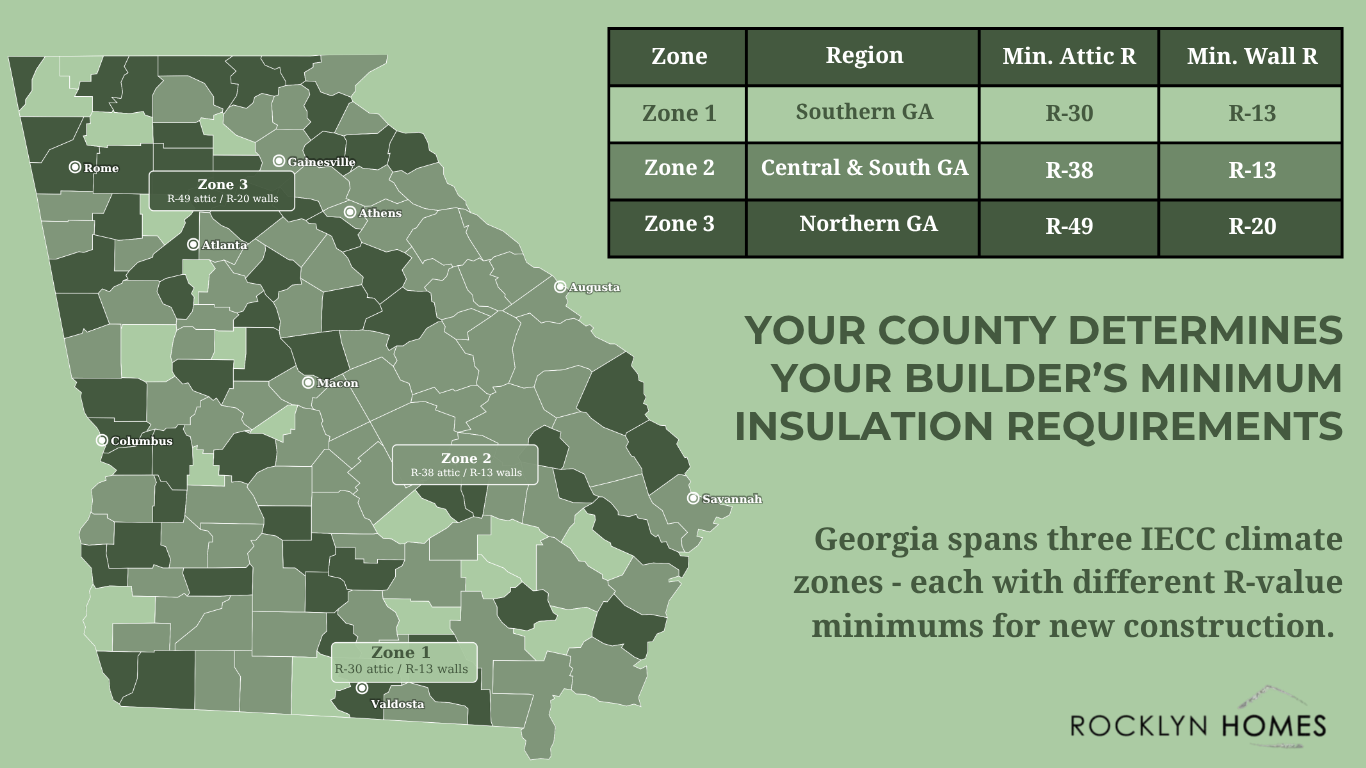
New construction homes must meet insulation standards set by local building codes. These codes specify minimum R-values by climate zone and area of the home. Many builders also follow programs like ENERGY STAR, which sets performance thresholds beyond code minimums.
Tax Credits and Rebates
Homeowners may qualify for a federal tax credit for energy-efficient upgrades in residential properties. The Inflation Reduction Act expanded these credits for qualifying insulation materials and installation. Some utility companies also offer appliance rebates for energy-efficient systems in new builds. Check with your builder and local utility provider early in the process to understand which incentives apply to your new construction home.
Questions to Ask Your General Contractor
Before closing on a new construction home, ask your general contractor or builder these questions:
- What type of insulation is installed in the exterior walls and attic space? Knowing this helps you understand the performance level of your new home’s building envelope.
- What R-values do the insulation materials meet, and do they exceed local building codes? Exceeding minimums often means better long-term comfort and lower utility bills.
- Is air sealing included as part of the insulation installation? An air seal strategy is just as important as insulation depth.
- Does the home qualify for ENERGY STAR or another energy efficiency certification? Certified homes are independently verified to perform beyond minimum standards.
- Are insulation upgrades available through the design center? Some builders offer options to go above standard specifications during the selection process.
Rocklyn Homes: New Construction Built for Energy Efficiency
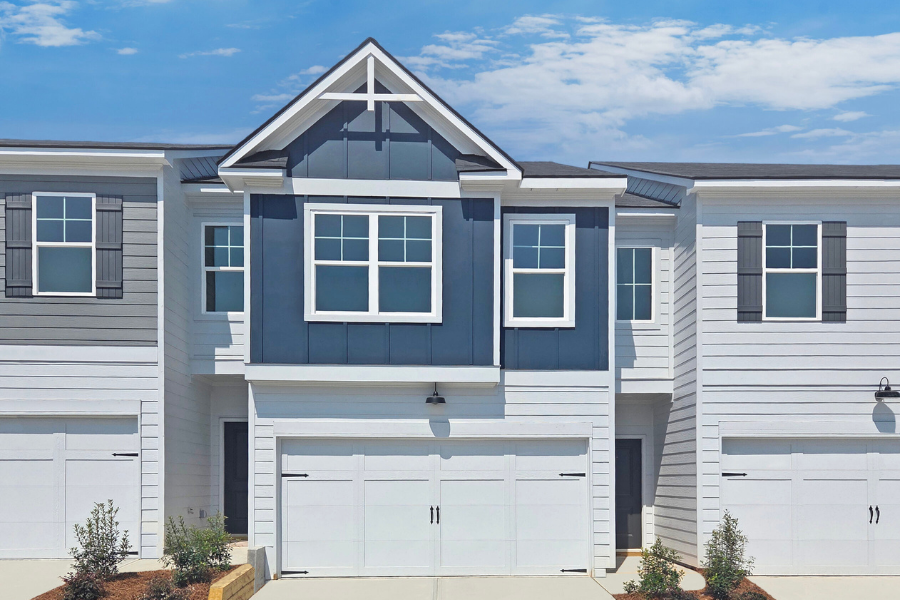
Rocklyn Homes builds new construction communities across Georgia and Florida with energy efficiency built into each home. Their homes are constructed to meet current insulation and building code requirements, with design studio options to explore upgrades tailored to your needs and preferences.
When you buy a new home with Rocklyn Homes, insulation decisions are already handled by experienced builders. That means proper insulation in the exterior walls, attic space, and crawl space from day one, with no need to retrofit or upgrade an older home. You get comfort and lower energy bills without having to piece together the details yourself.
Ready to find your new home? Visit Rocklyn Homes to explore available communities and schedule a tour today. Contact Rocklyn to get started.