
The Short Answer: A home warranty division scam is a fake letter mailed to homeowners claiming their home warranty is about to expire. The letter uses urgent language and official-looking formatting to pressure you into calling a phone number and handing over your credit card or personal information.
If you recently bought a new home, you may receive a suspicious letter labeled “Home Warranty Division” or something similar. These letters look official, reference your mortgage lender by name, and warn about expiring warranty coverage. But they are almost always a scam. New homeowners are common targets because their property details appear in public records after closing. Understanding how this scam works can help you avoid it.
What Is the Home Warranty Division Scam?
A home warranty division scam starts with a letter that arrives in your mailbox. It looks like an official notice from a home warranty company or your mortgage company. The letter claims your home warranty contract is expiring or has already lapsed. It urges you to call a phone number during normal business hours to renew your coverage and avoid expensive repairs.
The company name on the letter may include phrases like “Home Warranty Division,” “Home Warranty Direct,” or “Home Warranty Solutions.” These are not real divisions of your mortgage lender or any legitimate warranty company. Scammers use this language to make you believe the letter is from a trusted source.
How Do Scammers Find Your Information?
Mortgage details, including the name of your mortgage lender and property address, are stored in county deed records. These are public record and accessible to anyone. Scammers pull data from county recorder offices and target new homeowners shortly after closing. That is why the letters feel personal. They may include your mortgage company name, address, and even an account number. However, the account number usually does not match your actual loan number.
What Happens If You Respond?
When a homeowner calls the phone number on the letter, they are connected with a person or recording that pushes a home warranty plan. The caller will ask for your credit card number and personal information. In some cases, you end up paying for a service contract with little or no real warranty coverage. In others, scammers steal your information for identity theft.
Red Flags That Signal a Home Warranty Scam
Not every letter in your mailbox is a scam, but there are clear warning signs. If you spot any of these, think twice before responding.
- “Final Notice” language with no prior contact: If the letter says “final notice” but you never received a previous letter from that company, it is a tactic to create panic and force an immediate response.
- Fine print disclaimers: Look at the bottom of the letter. Many scam letters include fine print saying “We are not affiliated with your current mortgage holder.” This disclaimer is a major red flag.
- Coverage you never purchased: If the letter warns about expiring warranty coverage but you never signed a home warranty contract, the letter is fraudulent.
- Mismatched account numbers: The letter may include a reference number or account number. Compare it against your actual mortgage loan number. If they do not match, the letter is a scam.
- No clear company name or address: Legitimate companies include their full name, mailing address, and contact information. Scam letters often lack these details or use vague branding.
- Pressure to act immediately: Phrases like “immediate response requested” or deadlines just days away are pressure tactics. Reputable home warranty companies do not use high-pressure sales methods.
Home Warranty vs. Builder Warranty: Know the Difference
One reason these scams work well is that many homeowners confuse a home warranty with a builder warranty. Understanding the difference can help you recognize when a letter is irrelevant.

What Is a Home Warranty?
A home warranty is a service contract you purchase separately. It covers the repair and replacement of home systems and appliances that break down from normal wear and tear. This typically includes HVAC, plumbing, electrical systems, and appliances like refrigerators and dishwashers. You pay a monthly or annual fee plus a service fee when a technician visits. A home warranty is optional and is not tied to your mortgage.
What Is a Builder Warranty?
A builder warranty, sometimes called a new home warranty, comes included with new construction homes. It is provided by the registered builder and often backed by a third-party warranty company. Most follow the 1-2-10 model: one year for workmanship and materials, two years for home systems, and ten years for major structural defects. If your new home came with a builder warranty, you already have coverage on structural components and would not need to purchase anything from a random letter.
How to Protect Yourself from Home Warranty Scams
Taking a few simple steps can save you from losing money or having your personal information stolen.
- Contact your mortgage lender directly: If a letter claims to be connected to your mortgage company, call the lender using the number on your loan documents. Do not call the number on the suspicious letter.
- Check the Better Business Bureau: Before doing business with any warranty company, look them up on the Better Business Bureau website. Search the company name and read reviews. If the company has a pattern of complaints or does not appear, avoid them.
- Never share personal information over the phone. A legitimate home warranty company will not pressure you into providing your credit card number or account number during an unsolicited call.
- Read the fine print carefully. Scam letters often include disclaimers in the fine print revealing they are not affiliated with your mortgage company or any government office.
- Report the scam. File a report with your state’s consumer protection office, attorney general, or the Federal Trade Commission (FTC). Reporting helps authorities track and shut down these operations.
- Shred the letter. Since the letter contains your name, address, and possibly other details, shred it rather than throwing it away.
Quick Tip: If your new home came with a builder warranty, you likely do not need a separate private warranty plan for structural defects or home systems. Review your existing warranty contracts before considering additional coverage.
Rocklyn Homes: Trusted Warranty Protection for New Homeowners
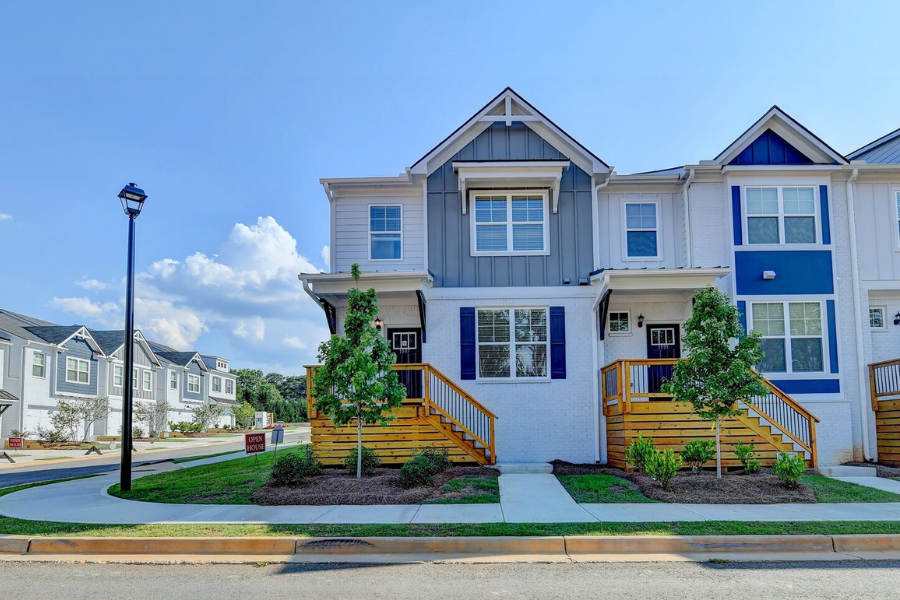
When you buy a new home from a trusted, registered builder like Rocklyn Homes, you do not have to worry about falling for a scam to get warranty protection. Rocklyn Homes partners with 2-10 Home Buyers Warranty to provide coverage from day one. This includes one year on workmanship and materials, two years on home systems, and ten years of protection against major structural defects.
Every Rocklyn home is enrolled into the warranty program at closing. You receive documentation that clearly outlines your warranty coverage, what is excluded, and how to file a warranty claim.
With Rocklyn Homes, you get a new home built with quality and backed by real warranty protection. Explore Rocklyn Homes’ new construction communities across metro Atlanta, Florida, and Alabama to find a home with the peace of mind you deserve. Contact us today to start your homebuying journey.