

Buying a new-construction home in Florida moves through five stages: choosing a home, signing a purchase agreement, making design selections, walking the finished home, and closing. Most buyers move in 90 to 180 days after signing, and quick move-in homes close much faster.
Florida keeps drawing new residents, and a large share of them buy brand new. The process looks different from buying a resale home. There is no bidding war, no seller disclosure about a 20-year-old roof, and no long list of repairs to negotiate. Instead, you pick a community, choose a floor plan, watch the home get built, and inspect it before you own it.
The stages are predictable once you know what each one involves. Florida also has a few rules of its own that affect what you pay to own the home.
How Does the New Construction Home Buying Process Work in Florida?
The process starts well before a foundation is poured. You work with a community sales manager who handles paperwork, timelines, and financing coordination from your first tour through closing day.
Choosing Your Community and Floor Plan
Start by touring communities in the region you want to live in. Location shapes your commute, your school zone, and your monthly dues. Once you pick a community, you choose between two paths.
- To-be-built homes: You select the floor plan, the homesite, and the finishes before construction begins. This path takes longer and gives you the most control.
- Quick move-in homes: These homes are already under construction or finished. You give up some choices and gain a much shorter wait.
Ask which structural options are included and which carry an additional cost. Structural changes such as a covered lanai or an extra bedroom have to be decided before construction starts.
Getting Pre-Approved and Signing the Purchase Agreement
Financing comes next. You need mortgage pre-approval or proof of funds within a set window after you write your offer. Builders that fund construction in-house do not require a separate construction loan. You simply finance the purchase price at closing like any other mortgage.
Review the contract line by line before you sign it. Read every Homeowners Association document in full. Most purchase agreements are signed electronically, and the deposit is paid by e-check.
What Happens Between Signing and Move-In?
Your Design Appointment
If your home is not already under construction, you attend a design appointment. This is where you choose flooring, cabinets, countertops, light fixtures, and paint colors. Two things matter at this stage. Learn which selections are included in the base price, and expect to pay a deposit on any upgrade that costs extra. Your selections are signed and locked once approved.
Construction and Progress Updates
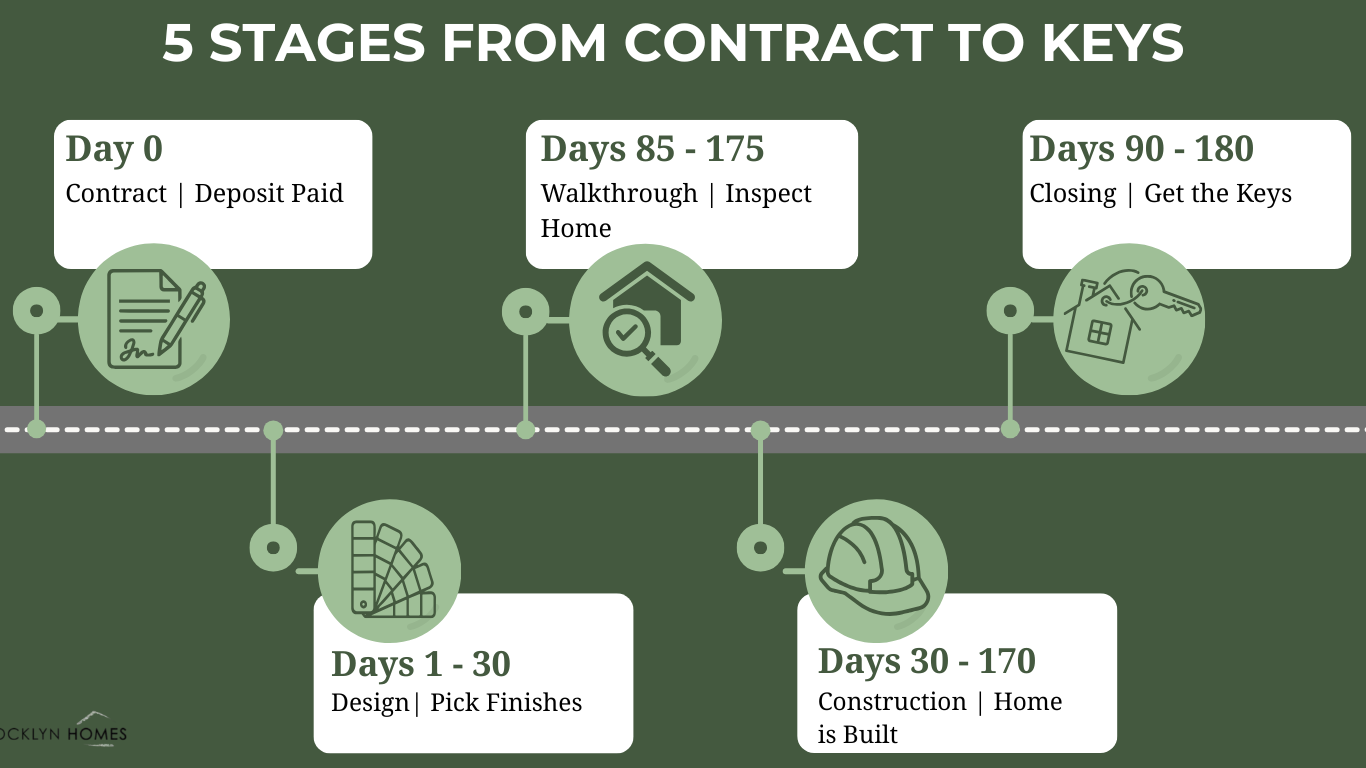
Construction generally runs 90 to 180 days. Weather, material availability, and buyer-requested changes can push that window. Summer storm season is the most common source of delay in Florida. Your sales manager schedules updates so you always know which phase your home is in.
| Stage | What Happens | Typical Timing |
| Contract | You sign the purchase agreement and pay your deposit. | Day one |
| Design selections | You choose finishes and pay for upgrades. | Within weeks of contract |
| Construction | The home is framed, finished, and inspected. | 90 to 180 days |
| Pre-close walkthrough | You inspect the finished home with the superintendent. | About 7 days before closing |
| Closing | You wire funds, sign documents, and get the keys. | Final day |
The Walkthrough and Closing Day
About a week before closing, you walk the home with the building superintendent. You review finishes, test appliances, and note anything that needs correction. An acceptance walk follows, where you sign off on minor repairs.
Your lender verifies your mortgage commitment roughly 30 days before the close of escrow. Bring your driver’s license, proof of insurance, and any required certified funds to the closing table. Set up utilities and file your address change with the U.S. Postal Service before move-in day.
What Florida Costs and Rules Should You Plan For?
Florida has several rules that catch buyers moving from other states off guard. Build these into your budget before you sign anything.
Property Taxes and the Homestead Exemption
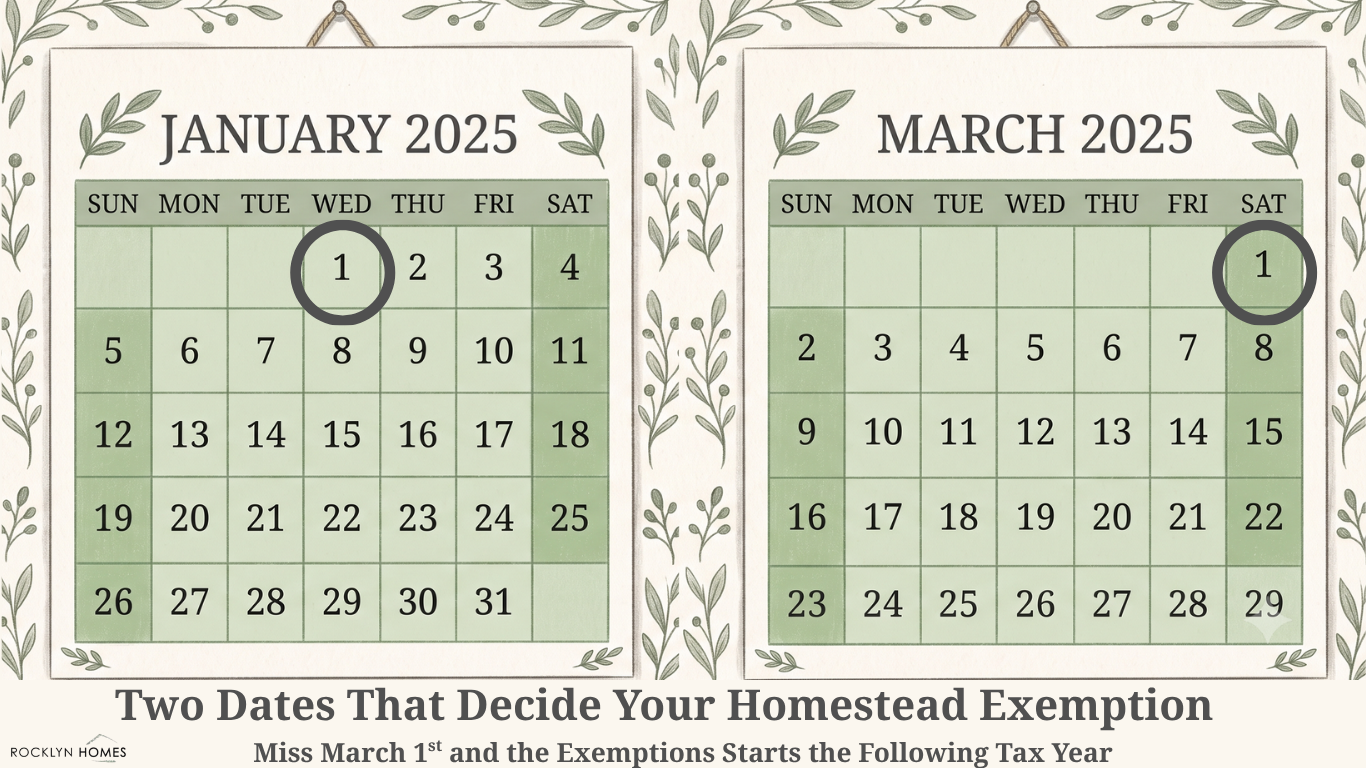
Florida homeowners who occupy their home as a permanent residence can claim a homestead exemption of up to $50,000 off the assessed value. The first $25,000 applies to all taxing authorities. The second $25,000 applies to everything except school district taxes.
You file with your county property appraiser by March 1, and you must own and occupy the home as of January 1 of that tax year. The exemption also unlocks the Save Our Homes cap, which limits annual increases in assessed value to 3 percent or the change in the Consumer Price Index, whichever is lower. For the 2025 tax year, that cap landed at 2.9 percent.
Homeowners Insurance
Insurance is the line item Florida buyers underestimate most often. New construction carries a real advantage here. Homes built under the Florida Building Code standards that took effect in 2002 generally qualify for wind mitigation credits, because features like hurricane clips and rated roof attachments are already built in. Florida law requires insurers to offer discounts when those features are documented. Ask your agent about a wind mitigation inspection before your policy is issued.
HOA Dues and Community Fees
Most new communities carry monthly or annual HOA dues that cover shared amenities and upkeep. Some Florida communities also sit inside a Community Development District, which adds a separate assessment to your annual tax bill. Read both documents during your contract review so nothing surprises you at closing.
Rocklyn Homes: Your Partner in Buying a New Construction Home in Florida
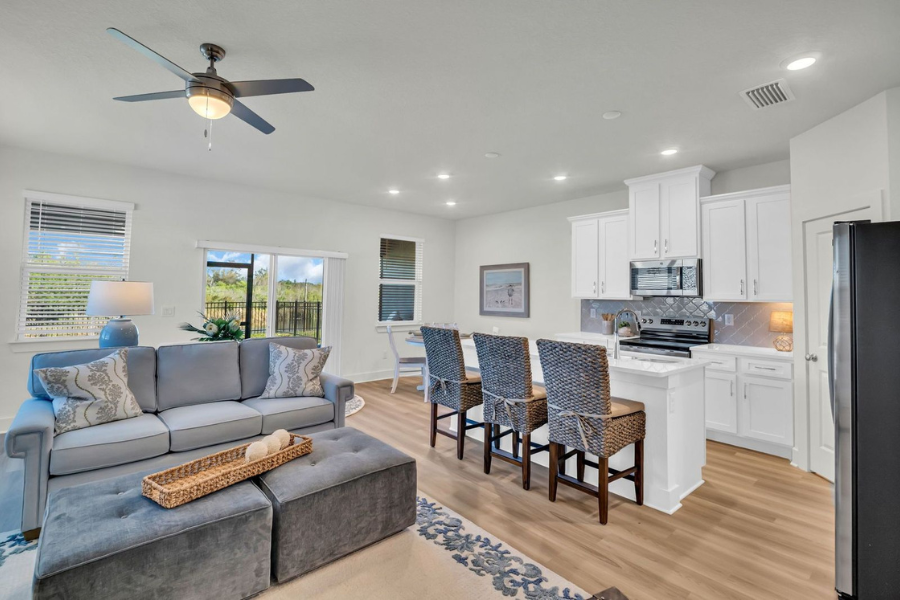
Rocklyn Homes builds new construction homes and townhomes across Florida, with communities in the Tampa Bay area, Central Florida, and Southwest Florida. A community sales manager guides you from your first tour through closing, and the Design Center is where you choose the finishes that make the home yours. Construction is funded in-house, so no separate construction loan is required. Warranty coverage and customer care continue after you move in, with owner reviews at 45 days and 11 months.
Ready to see what is available? Browse the Florida communities, walk through the five-step buyer’s guide, or contact the team to schedule a tour.
Frequently Asked Questions
How long does it take to build a new construction home in Florida?
Most new-construction homes in Florida are finished 90 to 180 days after the purchase agreement is signed. Quick move-in homes are already under construction or complete, so they can close in a matter of weeks. Weather, material availability, and buyer-requested changes are the most common causes of delay.
Do I need a real estate agent to buy a new construction home in Florida?
No, a real estate agent is optional when buying from a builder. The builder’s sales team can guide you through the full process, and they can also work alongside your own agent if you have one. Many buyers use an agent when they are also comparing resale homes or selling a current home.
Do I need a construction loan to buy a new construction home?
No. Builders that fund construction in-house do not require buyers to take out a construction loan. You finance the final purchase price at closing with a standard mortgage. You will still need conditional loan approval before construction begins on a to-be-built home.
Is homeowners insurance cheaper on a new construction home in Florida?
New homes often carry lower windstorm premiums than older Florida homes. Homes built to the Florida Building Code standards adopted in 2002 include wind-resistant construction features, and state law requires insurers to offer credits when those features are verified. A wind mitigation inspection documents the features so the credits get applied to your policy.
When should I file for the Florida homestead exemption on a new home?
File with your county property appraiser by March 1 of the tax year you want the exemption to begin. You must own and occupy the home as your permanent residence as of January 1 of that same year. The exemption removes up to $50,000 from your assessed value and starts the Save Our Homes assessment cap.