

A buydown rate is an upfront payment that lowers your mortgage interest rate, either for the first few years of the loan or for its full term. This reduces your monthly mortgage payment early on and makes a new home more affordable when you move in.
Today’s buyers face higher interest rates than many expected a few years ago. A mortgage buydown gives you a way to soften that cost. It uses money paid at closing to lower your interest rate, which brings down your monthly payment. Builders and sellers often cover this cost as an incentive to help buyers close on a home.
Knowing how a buydown works helps you compare offers and decide whether the early savings fit your budget and your long-term plans. A buydown can be temporary or permanent, and each version suits a different type of buyer.
What Is a Buydown Rate?
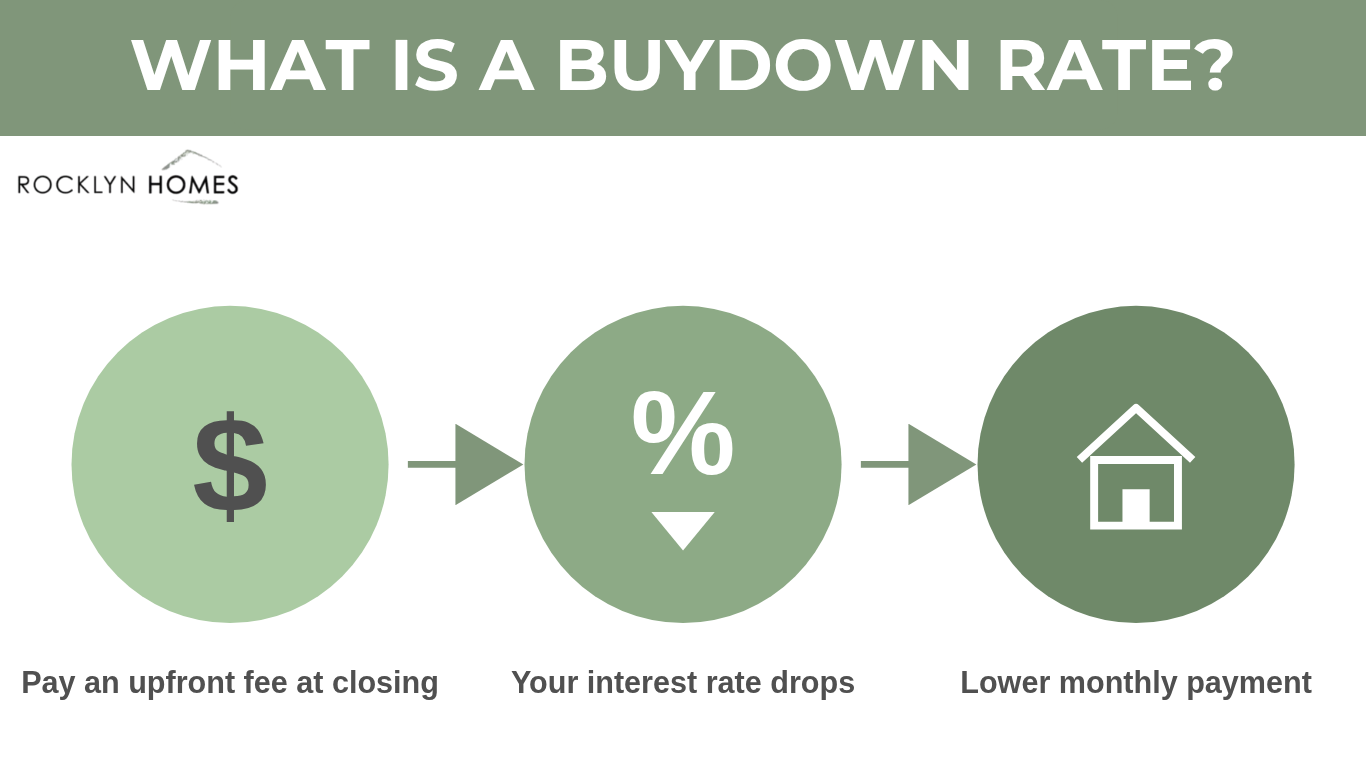
A buydown rate lowers the interest rate on your mortgage in exchange for money paid at closing. The lower rate means a smaller interest payment and a smaller monthly payment. A buydown can apply to only the first few years of the loan or last for the full term.
How Does a Mortgage Buydown Work?
A buydown works by using an upfront fee to reduce the rate you pay. With a temporary buydown, the buydown funds sit in an escrow account and cover part of your payment each month during the buydown period. With a permanent buydown, you pay for discount points that lower your note rate for the life of the loan. The loan amount and loan term stay the same. Only the rate you pay changes.
Who Pays for a Buydown?
Several parties can fund a buydown, and the source often depends on the market and the deal.
- Home builders: A home builder may cover a buydown as an incentive to sell a new construction home.
- Sellers: A seller can pay for a buydown as a seller concession written into the purchase contract.
- Buyers: A home buyer can pay the upfront cost directly to secure a lower rate.
- Lenders: A mortgage lender sometimes offers buydown programs tied to specific loan products.
Temporary Buydown vs. Permanent Buydown
Buydowns fall into two main types. The difference comes down to how long the lower rate lasts.
What Is a Temporary Buydown?
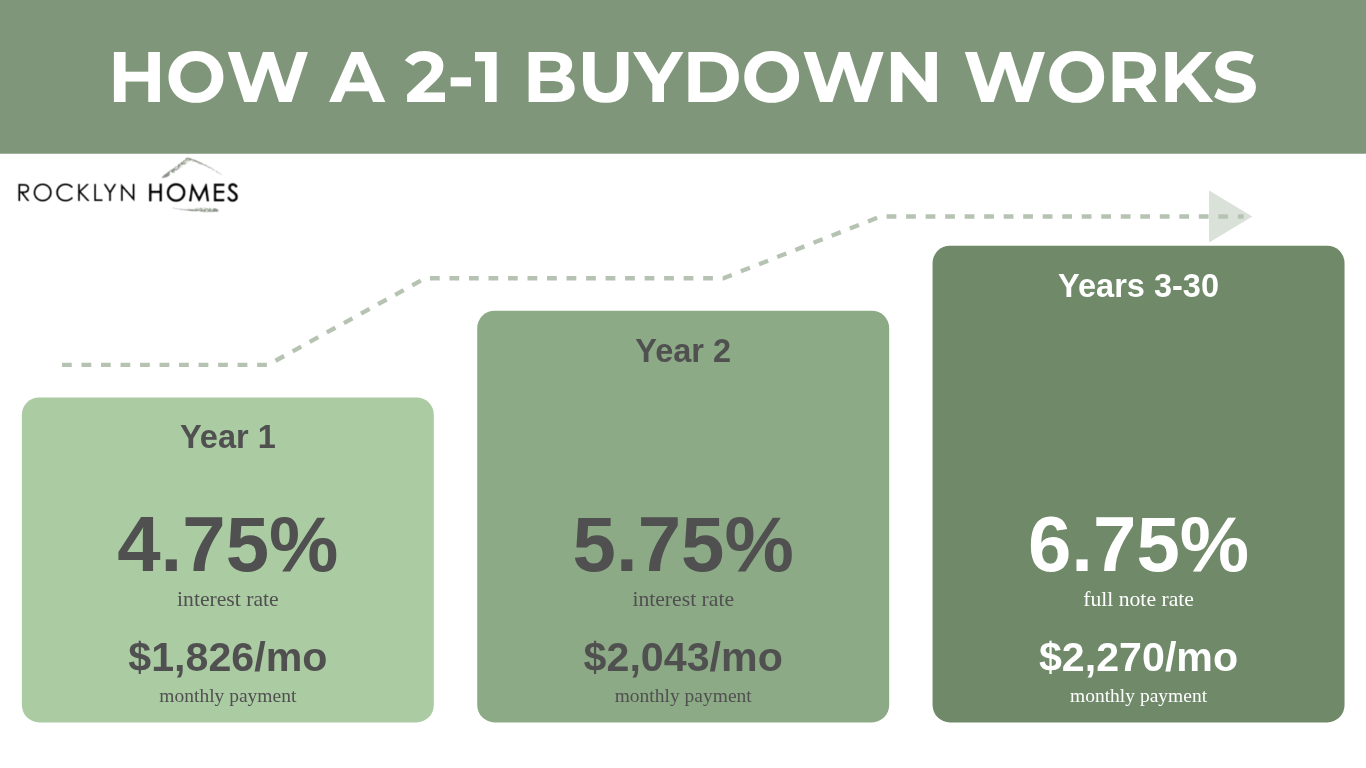
A temporary buydown lowers your rate for the first one to three years, then the rate steps up to the full note rate. The most common version is the 2-1 buydown. Your rate drops 2 percentage points in year one and 1 point in year two, then returns to the full note rate in year three. A 3-2-1 buydown spreads the discount across three years. A 1-0 buydown lasts a single year. During this time, your note rate never actually changes.
What Is a Permanent Buydown?
A permanent buydown lowers your mortgage rate for the entire loan. You buy mortgage points, also called discount points, at closing. Each mortgage point costs a percentage of your loan amount and reduces your note rate. This option costs more upfront than a temporary buydown. The trade-off is a lower rate that lasts for all 30 years on a 30-year fixed-rate mortgage. A permanent buydown suits buyers who plan to stay in the home long enough to earn back the upfront cost.
| Feature | Temporary buydown | Permanent buydown |
| How long the lower rate lasts | One to three years | The full loan term |
| How it works | Buydown funds in an escrow account | Discount points bought at closing |
| Upfront cost | Lower | Higher |
| Best for | Short-term relief or a planned refinance | Long-term owners |
How Does a 2-1 Buydown Lower Your Monthly Payment?
A 2-1 buydown gives you the largest savings in year one and smaller savings in year two. The schedule below shows how the payment steps up over time.
Figures are for illustration purposes only and use a $350,000 loan at a 6.75% note rate.
The Year-by-Year Payment Schedule
| Loan year | Interest rate | Approximate monthly payment |
| Year 1 | 4.75% | $1,826 |
| Year 2 | 5.75% | $2,043 |
| Years 3 to 30 | 6.75% | $2,270 |
In this example, you save about $444 a month in year one and about $227 a month in year two. The lender draws the difference from the escrow account each month. That is the buydown at work, giving you a lower payment while the subsidy lasts.
What Happens After the Buydown Period Ends?
Once the buydown period ends, you pay the full note-rate payment for the rest of the loan. The step-up is set in advance and disclosed at closing, which means there are no surprises later. On a conventional loan and on FHA loans, lenders qualify you at the full note rate, not the reduced rate. This means you should be able to afford the payment after the discount runs out.
Is a Mortgage Buydown Right for You?
A buydown helps most when the early savings match a real plan. It offers less value if you need the lower payment just to afford the home in the first place. It is also worth comparing against assuming a mortgage or other ways to lower your cost.
When a Buydown Makes Sense
- Rising income: A buydown fits buyers who expect their income to grow before the full payment starts.
- Refinance plans: Some buyers use a temporary buydown while they wait for a chance to refinance at a lower mortgage rate.
- Builder or seller funding: A buydown paid by a builder or seller gives you savings at no added cost to you.
What to Keep in Mind
- Break-even point: You should compare the upfront cost against your monthly savings to find the break-even point where the buydown pays for itself.
- The payment after the discount: You should plan your budget around the full note-rate payment rather than the reduced one.
- A price cut may win: In some cases, a lower purchase price saves more over time than a temporary rate reduction does.
Rocklyn Homes: Lowering Your Mortgage Payment on a New Construction Home
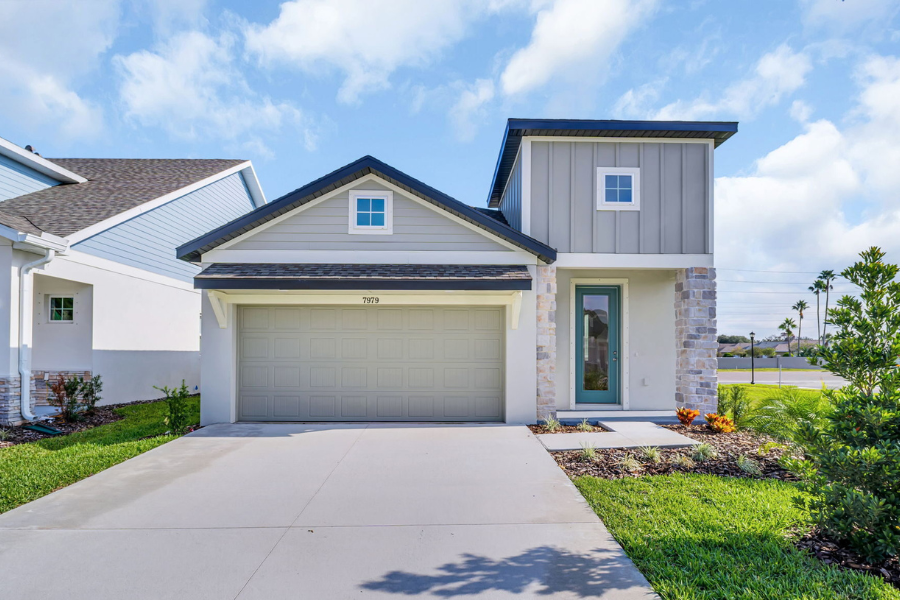
Rocklyn Homes builds new construction homes and townhomes across Georgia, Florida and Alabama, with new construction loan options built for first-time buyers. Through our preferred lender, BankSouth Mortgage, buyers can access incentive programs that may include closing cost assistance and interest rate buydowns, depending on the community and program.
A lower monthly payment early on can make settling into a new home easier on your budget. Explore Rocklyn Homes communities or connect with our team to learn about current incentives on a new construction home today.
Frequently Asked Questions
What is a buydown rate?
A buydown rate is a lower mortgage interest rate that you get in exchange for money paid at closing. It reduces your monthly mortgage payment for the first few years of the loan or for the full loan term. A buydown can be paid by the buyer, the seller, a home builder, or the lender.
How does a 2-1 buydown work?
A 2-1 buydown lowers your interest rate by 2 percentage points in the first year and 1 point in the second year. In the third year, the rate returns to the full note rate for the rest of the loan. The buydown funds are held in an escrow account and cover the difference in your payment each month.
What is the difference between a temporary and permanent buydown?
A temporary buydown lowers your rate for one to three years, then the rate steps up to the note rate. A permanent buydown uses discount points to lower your note rate for the entire loan. A permanent buydown costs more upfront but saves money over the long term.
Who pays for a mortgage buydown?
A mortgage buydown can be paid by the home buyer, the home seller, the home builder, or the mortgage lender. In today’s market, builders and sellers often fund a buydown as a seller concession or incentive. Builder-paid buydowns give the buyer savings without adding to their own upfront cost.
Does a buydown help you qualify for a larger mortgage?
No, a buydown does not increase the loan amount you qualify for. Lenders qualify you based on the full note-rate payment, not the reduced buydown payment. This rule applies to conventional loans backed by Freddie Mac and Fannie Mae as well as FHA loans.